
White diet
White diet - What it consists of and when to use it.

Madent Editorial Team
Dentist

Vitamin C is important for the health of our body and, in particular, our gums. It is part of the group of water-soluble vitamins, which cannot be accumulated in the body but must be taken regularly through foods or specific supplements.
A high content of vitamin C is present in oranges, lemons, acerola, kiwi, currants, pineapple, strawberries, tomatoes, peppers, broccoli, rocket, spinach and many other types of fruit and vegetables. This vitamin, however, is very sensitive to external agents, as it easily deteriorates during conservation and cooking treatments and is damaged by oxygen and even simple heat.
A certain amount is lost just by washing in water. The ideal solution, therefore, would be to consume fresh, raw or lightly cooked fruit and vegetables.
Vitamin C is essential for collagen biosynthesis, wound healing and the integrity of connective tissues, including the periodontium. Intake of vitamin C in the diet reduces inflammatory processes and bleeding of the gums and prevents bacteria from destroying the periodontal ligament cells and gingival fibroblasts. Therefore it has a key role in both the prevention and treatment of periodontitis, improving periodontal indices. It also promotes postoperative healing following oral surgery.
An insufficient intake of vitamin C increases the likelihood of developing periodontal disease and leads to changes in the alveolar bone and dry mouth. In the more advanced stages, the gums appear swollen and with a purple rim, they bleed easily and can ulcerate. At this stage you may experience rapid tooth loss.
Frequent and prolonged exposure of the teeth to vitamin C is also not correct, because this leads to high wear of the teeth themselves.
It has an important function in the biosynthesis of some amino acids and hormones. It is involved in the mechanisms of allergic reactions and promotes a greater response of the immune system, reducing the risk of infections. It has a strong antioxidant action and neutralizes free radicals. Some studies suggest that this vitamin has a beneficial role in patients with cardiovascular problems, but also in patients with severe burns, septicemia and severe pain resulting from other pathologies.
In the presence of a strong deficiency of vitamin C, a pathology called scurvy is encountered, the first symptoms of which are apathy, anemia, loss of appetite, muscular and rheumatoid pain, dry skin, brittle hair, subcutaneous hemorrhages and the problems with the gums and teeth already mentioned previously.
Vitamin C, therefore, is essential in the everyday diet. Thanks to its precious properties it gives us the right energy to face the hard days, protects our cells and above all gives us tasty and light foods to give flavor to our good cuisine!
White diet - What it consists of and when to use it.
Madent Editorial Team
Dentist
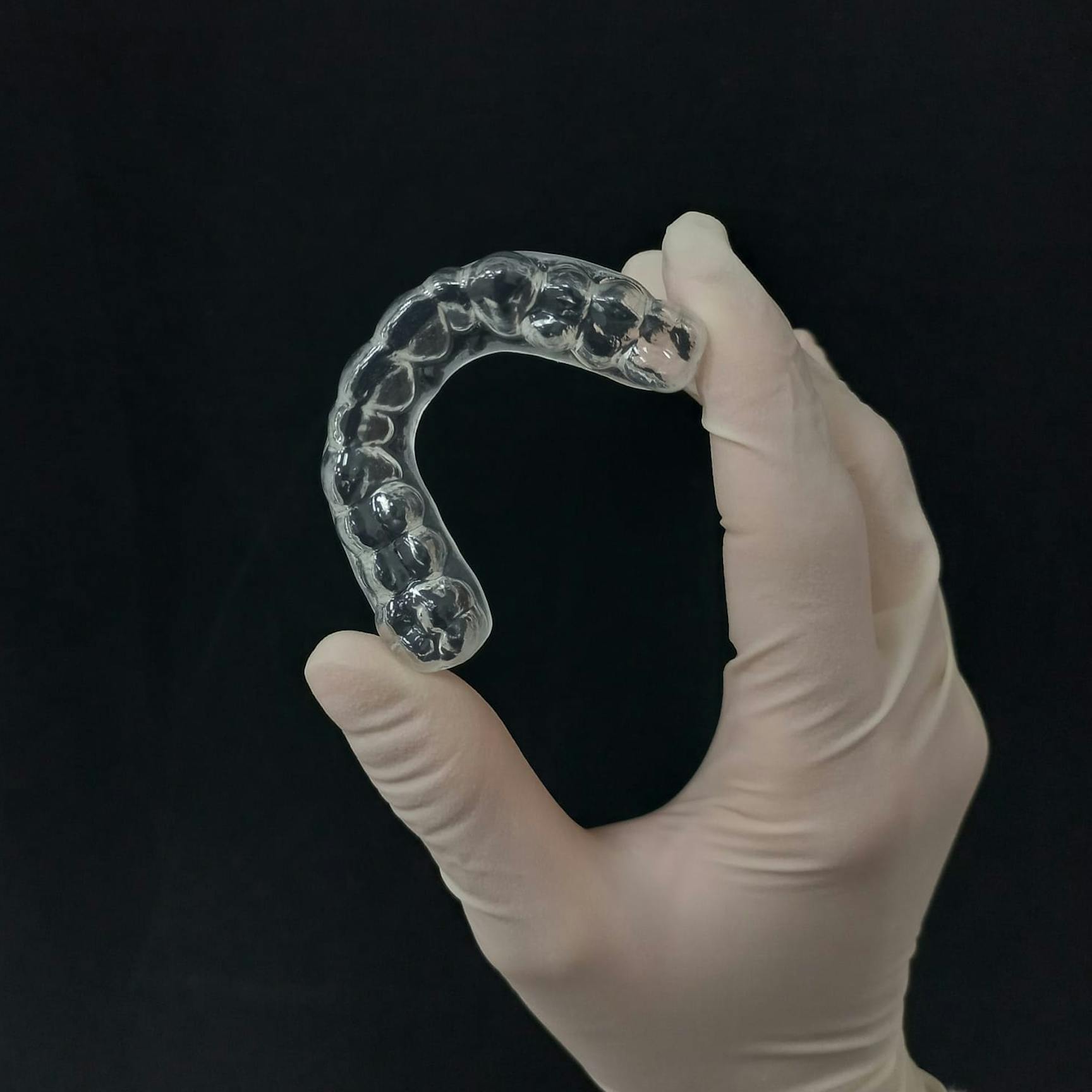
Invisible aligners: the future of aesthetic orthodontics!

Dr. Manuela Maritato
Dentist
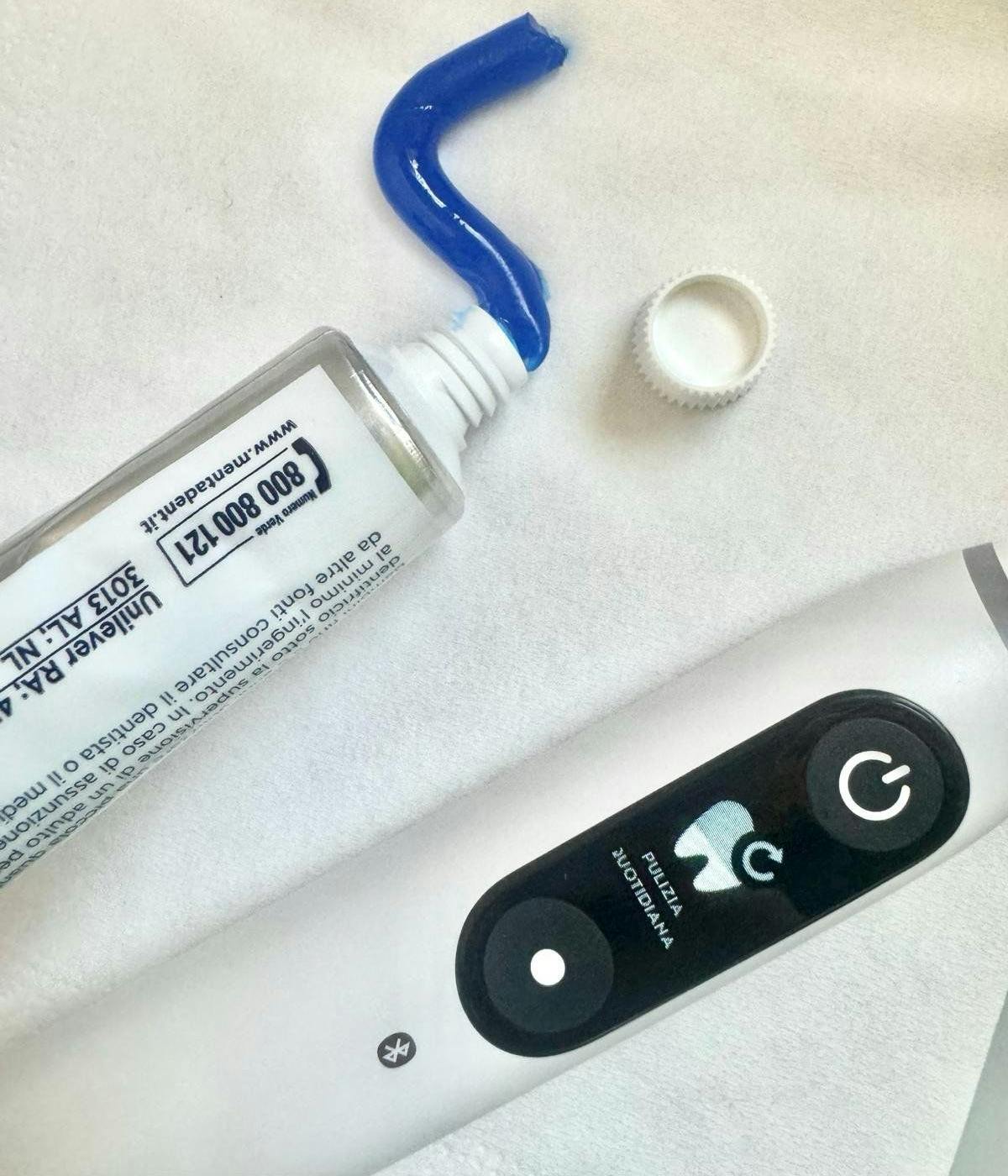
What do we need to know to choose the right toothpaste for each of us?
Madent Editorial Team
Dentist

Baby teeth and their fundamental role in the health of the oral cavity
Madent Editorial Team
Dentist
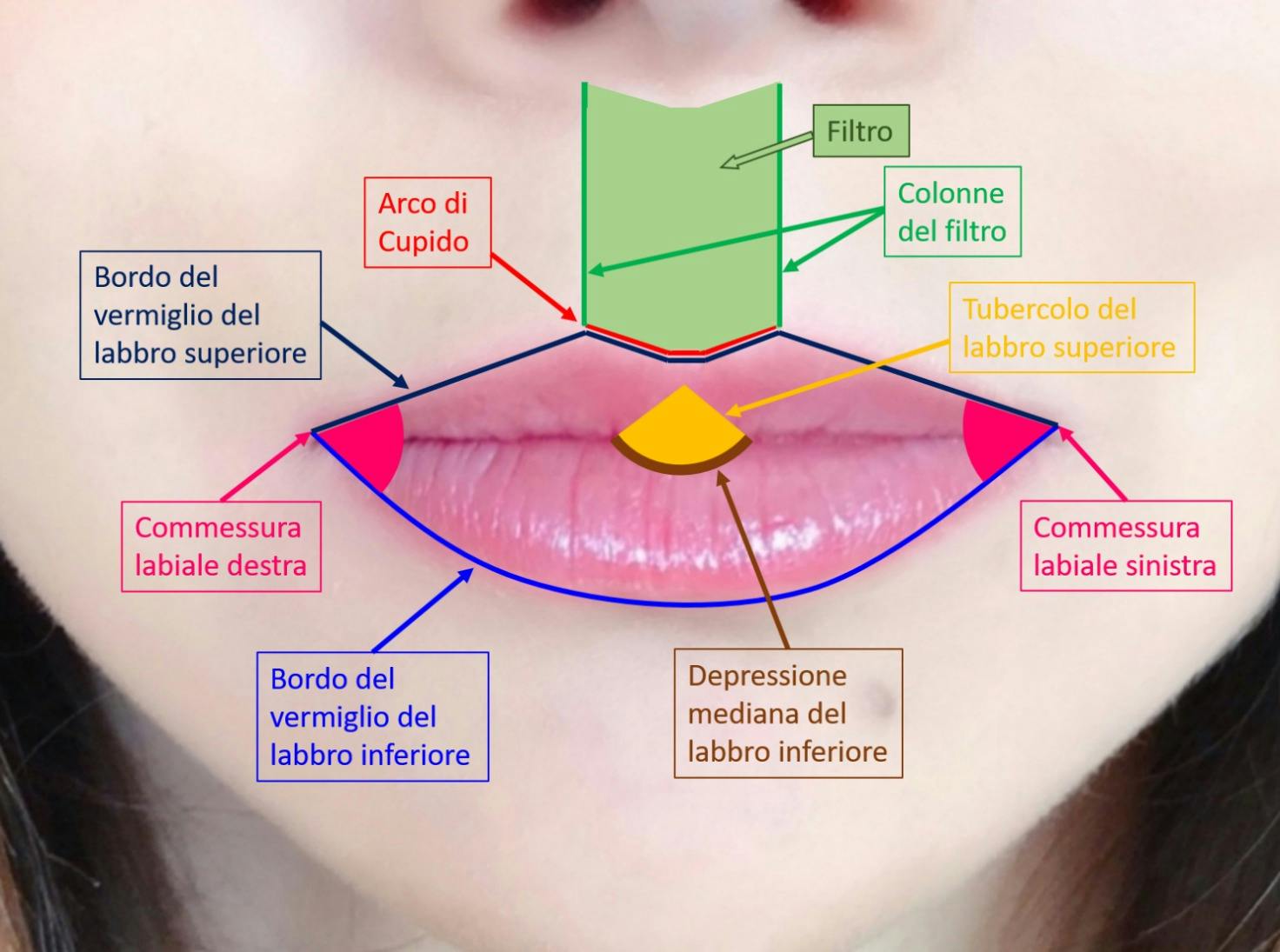
Let's get to know the anatomy of our lips together
Dr. Manuela Maritato
Dentist

Does pregnancy always have to mean tooth loss? Let's dispel the myth together.
Madent Editorial Team
Dentist