
White diet
White diet - What it consists of and when to use it.

Madent Editorial Team
Dentist

Pregnancy is definitely a wonderful moment in a woman's life but also a phase in which the body must undergo many changes. During this period, women often experience discomfort in the oral cavity. Why does this happen?
Increased levels of estrogen and progesterone affect the swelling, redness and possible bleeding of the gums. Saliva becomes denser and its quantity increases. Furthermore, during pregnancy, eating habits often change and episodes of vomiting or gastroesophageal reflux occur, which are linked to an increased risk of tooth decay and tooth sensitivity.
Therefore, how can we face this hard period for our mouth?
An ideal approach would be to schedule a check-up before pregnancy and try to eliminate all sources of infections, in order to create a good starting point for tackling the most delicate phase of the following months.
During pregnancy, periodic visits and an oral hygiene session are recommended.
What should you do, however, when some dental problems arise during pregnancy?
Among the most common problems that can arise in this phase, we find: gingivitis, pregnancy epulis, periodontitis, enamel erosions and tooth decay. We need to dispel the myth that pregnant women cannot go to the dentist!!! During gestation, dental care and oral hygiene sessions can be carried out easily and appropriate anesthetics can be administered. The quietest period for the fetus is the second trimester (between the 14th and 27th week) but this does not mean that we cannot intervene at other times.
It is essential to eliminate all oral infections, as they have been documented to be linked to low baby weight and premature birth.
Are there any procedures that a pregnant woman should avoid? Yes, for example the removal of amalgam and teeth whitening which can lead to dentin sensitivity and gum problems related to gestation. We must also be more careful about antibiotics and mouthwashes with chlorhexidine which should only be administered after a detailed medical prescription.
Of fundamental importance is daily oral hygiene combined with healthy habits, so that this period is lived peacefully and without pain:
*Brush your teeth with a soft-bristled toothbrush and toothpaste containing fluoride at least twice a day
* Use dental floss correctly
*Avoid sugary drinks
*After each episode of vomiting, rinse your mouth with water and bicarbonate to neutralize the acidity of the oral cavity and wait at least 30 minutes before brushing your teeth
* Carry out check-ups at the dentist and oral hygiene sessions at the right time.
Information prepared by the Madent Dental Clinic.
White diet - What it consists of and when to use it.
Madent Editorial Team
Dentist
Invisible aligners: the future of aesthetic orthodontics!

Dr. Manuela Maritato
Dentist

What do we need to know to choose the right toothpaste for each of us?
Madent Editorial Team
Dentist

Baby teeth and their fundamental role in the health of the oral cavity
Madent Editorial Team
Dentist
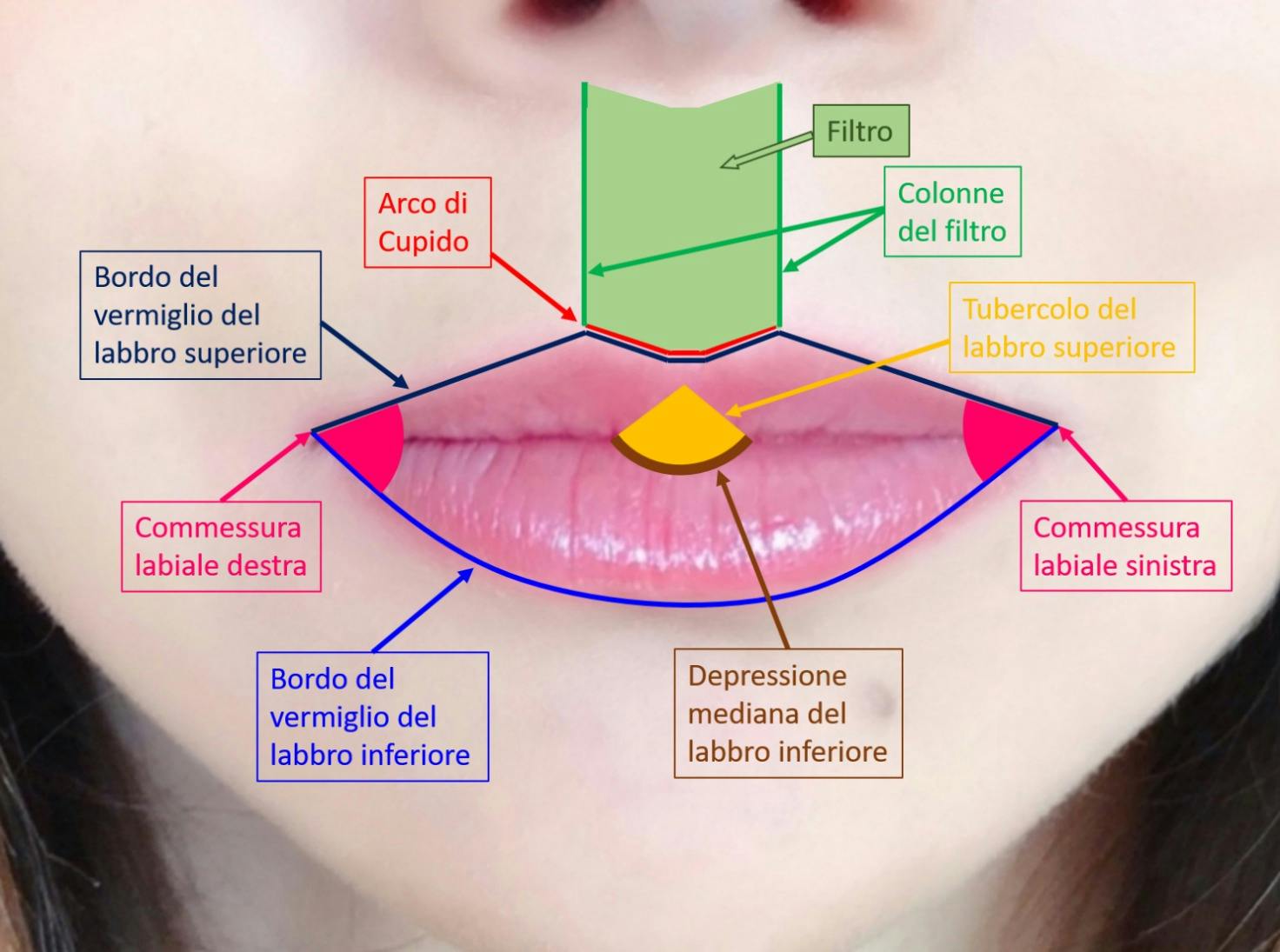
Let's get to know the anatomy of our lips together
Dr. Manuela Maritato
Dentist
Does pregnancy always have to mean tooth loss? Let's dispel the myth together.
Madent Editorial Team
Dentist